
A practical guide on how growth changes sales tax compliance risks and how to manage them effectively.
Find Potential Savings in Your Business Expenses
Why does sales tax exposure increase as a business grows?
Growing businesses can face greater sales tax exposure as they enter new states, hire remote employees, open facilities, and introduce new products. These changes can create additional tax obligations, while higher transaction volumes and evolving tax rules can make sales tax compliance errors, missed exemptions, and outdated systems harder to detect.
Business growth can create sales tax compliance exposure long before finance teams realize their processes need to change. A new sales channel may push a company into another state’s economic nexus threshold. A remote employee or warehouse may introduce physical presence considerations. Meanwhile, new products, suppliers, and higher transaction volumes can make existing tax processes harder to maintain.
For mid-sized businesses expanding across states, these changes can increase the complexity of sales tax compliance. Finance leaders must monitor where obligations may arise, ensure that tax treatment reflects current offerings, and maintain reliable transaction records, often while managing limited internal resources and seeking external tax expertise for complex issues.
Deloitte’s 2026 Global Tax Policy Survey found that nearly 40% of tax and finance leaders surveyed identified increasing compliance, administrative, and reporting requirements as the biggest operational impact among tax policy areas. These demands can add pressure to finance teams already managing expanding operations.
Growth can also make historical errors harder to detect. Incorrect tax charges, overlooked exemptions, or inconsistent records may accumulate across thousands of transactions, creating potential exposure or recovery opportunities that require further assessment.
A structured review process can help businesses recognize where their tax position may have changed, identify gaps, and decide which issues need attention.
Here are six reasons sales tax compliance risks can increase as businesses grow, along with practical steps finance teams can take to address them.
- Multi-state expansion can increase sales tax compliance complexity
- New products and services create taxability risks
- Workforce and location growth can trigger new sales tax obligations
- Changing tax rules increase sales tax compliance demands
- Growing operations can outpace tax systems and controls
- Higher transaction volumes can make errors and missed recoveries harder to detect
1. Multi-State Expansion Can Increase Sales Tax Compliance Complexity
What It Is
Expanding into multiple states can increase a business’s sales tax compliance exposure because each state may have different nexus thresholds, registration requirements, tax rates, and filing rules. Businesses need to assess their activities in each jurisdiction to determine where new tax obligations may apply.
Economic nexus may arise when a business’s sales or transaction activity meets a state’s applicable threshold, even without a physical presence. As a company expands into more markets, it must assess its activities against each jurisdiction’s rules and determine where registration, collection, or further review may be required.
The U.S. Supreme Court’s 2018 decision in South Dakota v. Wayfair, Inc. established that a state may require certain out-of-state sellers to collect sales tax based on substantial economic activity, even without a physical presence in that state. However, the applicable nexus thresholds and registration requirements vary by jurisdiction.
Managing sales tax compliance across multiple states can also increase administrative demands. Finance teams may need to coordinate different tax rates, filing frequencies, registration procedures, and documentation requirements, making it harder to maintain consistent processes.
Why It Matters
- Helps finance teams identify where expansion may create new nexus obligations, including potential additional tax, interest, and penalties that could affect cash flow
- Reduces the risk of overlooking state-specific sales tax compliance requirements across jurisdictions
- Highlights incorrect supplier charges, missed exemptions, and historical overpayments that may warrant further investigation
- Helps businesses assess potential refunds or credits before applicable recovery deadlines, subject to jurisdiction-specific rules and supporting documentation
Real-World Example
Multi-state growth can also create historical recovery opportunities when tax treatment differs across jurisdictions. In one SALT review, a multi-year analysis of transactions across vendors, purchase categories, and states uncovered patterns of sales tax overpayment that ultimately contributed to a $385,000 sales tax refund.
Pro Tip
Trigger a nexus review whenever your business enters a new state, adds a sales channel, changes its distribution network, or approaches an applicable sales or transaction threshold.
Maintain jurisdiction-level records of sales volumes, transaction counts, physical presence, and relevant effective dates. Where historical transactions or potential overpayments need a more specialized assessment, external tax expertise can help evaluate possible recovery opportunities.
2. New Products and Services Create Taxability Risks
What It Is
A new product or service may have a different tax treatment from the offerings a business already sells. Sales tax compliance depends in part on the nature of the product or service, how the transaction is structured, and the rules of the jurisdiction where the sale takes place. An item may be taxable in one state but exempt or subject to different treatment in another.
The risk can increase when businesses diversify into installation, maintenance, customization, digital products, or bundled offerings. Transactions combining goods and services may require a closer review of how each component is treated and invoiced.
Applying an old tax classification to a new bundle without reassessing the taxability of its components can lead to incorrect tax calculations. Therefore, finance teams should review the new offering under the applicable jurisdictional rules and update tax classification where needed.
If these classification errors remain uncorrected as the product portfolio expands, they can recur across more transactions, increasing potential financial exposure and the effort required to investigate and correct them.
Even a small tax classification error can create a recurring cost when it affects a high volume of sales. The longer the error remains uncorrected, the more transactions may require review and adjustment, increasing the effort needed to address the issue.
The tax treatment of goods and services can depend on the nature of the transaction and the applicable state’s rules. The California Regulation 1501 distinguishes between sales of tangible personal property and transfers of property incidental to a service. It uses the transaction’s “true object” to help determine the applicable tax treatment under California rules.
This highlights why businesses should review new offerings under the rules of each relevant jurisdiction rather than applying an existing classification automatically.
As product portfolios evolve, sales tax compliance processes must keep pace. Tax codes, billing systems, and supporting records may need to be updated to reflect applicable requirements, while complex taxability questions may require a specialist tax review of jurisdiction-specific rules.
Why It Matters
- Helps identify incorrect tax classifications that may result in underpaid tax liabilities, overpayments, or additional costs as the product portfolio expands
- Reduces the risk of repeated billing errors when outdated tax codes or incorrect bundled transaction treatment continue to be applied
- Highlights potential cash leakage from tax overcharged on purchases or missed exemptions that may warrant a historical transaction review
- Helps finance teams assess whether past transactions may qualify for refunds or credits under applicable jurisdictional rules and documentation requirements
Pro Tip
Review taxability before launching a new product, adding a service component, or introducing a bundle. Validate product tax codes against applicable jurisdictional rules and update billing systems where needed.
Revisit classifications when the offering or its sales footprint changes. For complex offerings or historical transactions, a specialist tax review may help clarify state-specific tax treatment and identify potential overpayments.
How can a business determine whether a product or service is taxable?
A business can determine whether a product or service is taxable by reviewing applicable state and local tax rules for its sales locations and transaction types. It should verify product classifications, bundled components, and available exemptions, then update tax codes and billing systems accordingly.
3. Workforce and Location Growth Can Trigger New Sales Tax Obligations

What It Is
Workforce and location growth can create a sales tax nexus when a business’s employees, facilities, or activities establish a sufficient connection with a state under its applicable laws. As a result, hiring employees in new states, opening facilities, or acquiring businesses may introduce sales tax compliance obligations that require assessment.
For example, hiring a remote employee in another state, opening a regional distribution center, or acquiring a business with existing facilities may change the company’s tax position. The implications depend on applicable state rules and the activities conducted there, so not every new hire or location will create the same obligations.
State guidance illustrates how business activities and physical locations can affect tax obligations. For instance, California CDTFA Publication 77 identifies maintaining an office, warehouse, or other place of business, as well as certain in-state representative activities, among the circumstances that may require an out-of-state retailer to register and collect applicable tax. Therefore, the impact of a new employee or facility should be assessed under the relevant state’s rules and the activities conducted there.
Workforce and location growth may also introduce payroll, income, franchise, or other state and local tax responsibilities. These follow different rules from sales tax and should not be conflated with sales tax compliance. Finance teams need timely updates from HR and operations to assess potential changes to their tax obligations. Businesses may seek external tax expertise when they need a more detailed assessment of jurisdiction-specific requirements.
Why It Matters
- Helps identify when employees, offices, warehouses, or other facilities may create sales tax obligations, reducing the risk of unexpected liabilities, interest, and penalties
- Reduces the likelihood of costly corrections when new locations or employee activities are not assessed promptly
- Encourages coordination between HR, operations, and finance so changes in workforce or facilities are reflected in tax reviews and financial planning
- Helps businesses identify incorrect tax charges or missed exemptions on purchases associated with new facilities and expanded operations
- Creates an opportunity to review historical transactions for potential overpayments or credits, subject to applicable rules and deadlines
Pro Tip
Include a tax review checkpoint in workforce planning, facility expansion, and acquisition processes. Ask HR to communicate employee work locations, relocations, and new hires in other states, while operations shares details about new facilities, warehouses, and distribution changes. Finance can then assess potential nexus implications, seek external tax expertise input in complex cases, and determine whether further review is needed.
4. Changing Tax Rules Increase Sales Tax Compliance Demands
What It Is
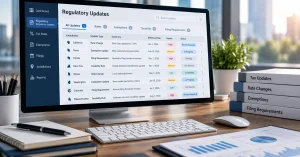
Sales tax rates, exemptions, product taxability rules, filing requirements, and jurisdictional boundaries can change. These updates may affect how businesses manage sales tax compliance, including how they calculate, collect, report, and remit tax. Companies operating across multiple states need to determine which changes apply to their products, transactions, and locations.
When a relevant rule changes, finance teams may need to review its impact, identify the effective date, and update tax configurations, billing processes, or reporting procedures. If changes are missed or implemented late, the business may continue applying outdated rules, creating inconsistencies in tax calculations, collections, or filings.
When outdated rates or taxability rules remain in place across multiple reporting periods, the resulting discrepancies can recur and become more time-consuming to investigate. Delays in identifying these issues may also reduce the time available to review affected transactions before applicable refund or credit deadlines.
Changes to local sales tax rates and jurisdictional boundaries can also affect when and where businesses must collect tax. For example, the Texas Comptroller provides local sales and use tax rate information and a rate lookup, helping businesses identify applicable local rates and understand why they need to monitor rate changes as they expand into new jurisdictions.
As the business footprint grows, monitoring developments across multiple jurisdictions can become more demanding. Therefore, keeping sales tax compliance aligned with applicable requirements requires defined ownership and a regular review process. If complex regulatory changes require further interpretation, businesses may need specialist tax advice to understand their operational implications.
Why It Matters
- Helps businesses identify where outdated rates, exemptions, or taxability rules may have caused underpayments, incorrect charges, or financial exposure
- Lowers the risk of repeated errors caused by outdated rules, while helping finance teams identify historical periods that may contain incorrect charges or missed exemptions
- Establishes responsibility for monitoring changes to sales tax compliance processes and reviewing whether past transactions require further investigation
- Helps teams prioritize tax system and billing updates to limit recurring discrepancies, reduce accumulated cash leakage, and identify historical overpayments that may warrant investigation
- Encourages businesses to document regulatory changes and assess potential refunds or credits before applicable deadlines, where the transactions meet jurisdiction-specific requirements
Pro Tip
Establish a regular process for reviewing relevant state and local tax updates. Document the changes assessed, effective dates, affected products or jurisdictions, and actions taken. Ensure that updates are reflected in tax systems and communicated to employees responsible for billing, accounting, and filing.
If a complex change requires interpretation beyond internal expertise, a specialist tax review may help assess its potential operational impact.
5. Growing Operations Can Outpace Tax Systems and Controls
What It Is
Systems and controls designed for a smaller business may not support the demands of expanding operations. More locations, products, sales channels, suppliers, and transactions can place additional pressure on accounting systems, tax configurations, reconciliations, and documentation processes.
Smaller organizations may rely on spreadsheets, manual checks, or a few employees who manage several finance responsibilities. As activity increases, these methods can become harder to maintain consistently. Disconnected systems, inconsistent tax codes, incomplete exemption records, and unclear review responsibilities can weaken sales tax compliance controls.
For example, adding new product categories without validating their tax codes or failing to update exemption certificate records across business units can create sales tax compliance gaps. Even when the applicable rules are understood, inconsistent data and system configurations can prevent them from being applied accurately.
If these control gaps remain unresolved as transaction volumes grow, the same errors may continue across multiple business units or reporting periods. This can increase the resources needed to trace discrepancies, correct processes, and assess potential overpayments.
Why It Matters
- Helps reveal where existing systems may no longer support the company’s operating scale, making it easier to identify errors and overpayments before they contribute to recurring cash leakage
- Makes it easier to identify incorrect supplier charges, inconsistent tax codes, and missed exemptions across accounting, billing, and purchase records
- Reduces the risk that small, repeated discrepancies will accumulate into larger financial losses and require additional time and resources to investigate and correct
- Clarifies responsibility for reviewing tax configurations, exemption records, reconciliations, and exceptions, helping prevent recurring issues from remaining unresolved
- Helps businesses use historical transaction findings to strengthen sales tax compliance controls and investigate potential refunds or credits that routine processes may not identify
Pro Tip
Review tax configurations, data flows, exemption certificate management, reconciliations, and filing workflows after major expansion or system changes. Assign clear responsibility for maintaining tax systems, validating configurations, and resolving process gaps. Use transaction review findings to identify recurring issues and strengthen future controls. An external review can also help assess historical transactions for potential recovery opportunities.
What records support sales tax compliance?
Businesses should retain sales invoices, purchase records, exemption certificates, tax returns, and supporting documentation that explains how tax was calculated or why an exemption was applied. Recordkeeping requirements and retention periods vary by jurisdiction, so businesses should check applicable state sales tax compliance rules.
6. Higher Transaction Volumes Can Make Errors and Missed Recoveries Harder to Detect

What It Is
Higher transaction volumes can make sales tax compliance errors and potential overpayments harder to identify, especially when transaction records are spread across suppliers, jurisdictions, business units, and reporting periods. When discrepancies recur across large numbers of transactions, their cumulative financial impact may remain hidden during routine checks.
For example, if a business is overcharged by an average of $1.50 on 10,000 transactions each year, the potential overpayment could reach $60,000 over four years. This simplified illustration shows how small, recurring errors can accumulate into a significant amount that may otherwise go unnoticed.
A structured historical transaction review can help businesses identify sales tax compliance gaps and assess whether past overpayments may be recoverable. This can be particularly useful when internal teams lack the capacity or specialist expertise to examine large volumes of records. For example, a business may have paid tax on purchases that qualify for an exemption or been incorrectly charged tax by a supplier.
The potential value of a review depends on factors such as transaction volume, the review period, applicable exemptions, supporting documentation, and jurisdiction-specific refund or credit deadlines. Not every overpayment is recoverable, so businesses need to assess eligibility under the relevant rules before pursuing a claim. Delaying the review may leave less time to gather supporting records and assess eligible transactions before those deadlines expire.
Grouping transactions by supplier, jurisdiction, and purchase category can help finance teams identify recurring discrepancies, validate potential overpayments, and prioritize further investigation based on the potential recovery value, likelihood of error, and applicable deadlines.
Why It Matters
- Helps identify tax calculation errors or incorrect charges that may go unnoticed in high-volume activity
- Flags historical transactions where exemptions, credits, or refunds may have been overlooked
- Helps reconcile invoices, purchase records, and tax documentation to investigate inconsistencies
- Directs attention to high-value purchases, recurring issues, and jurisdictions with known discrepancies
- Uses findings from past errors to strengthen future sales tax compliance procedures
- Helps finance leaders distinguish between current sales tax compliance gaps that need corrective action and historical overpayments that may warrant a recovery review
Real-World Example
Midland Farms, a dairy processing and distribution company with approximately $20 million in annual revenue, engaged The SALT Group to review several operating expense categories, including Sales & Use Tax. The review identified $254,592.12 in total benefits across waste, Sales & Use Tax, and utilities, including tax paid in error on electricity. The engagement also helped secure improved agreements and terms for waste and utility services.
With 38 years of experience and work with more than 5,000 manufacturing clients, The SALT Group brings specialized Sales & Use Tax expertise to historical transaction reviews. Its multi-state experience and long-standing relationships with state tax authorities support the review and recovery process across jurisdictions.
Pro Tip
Schedule a historical transaction review after major business changes, when routine reconciliations reveal recurring discrepancies, or when your team identifies possible tax overpayments. Define the review period, jurisdictions, suppliers, and transaction categories, then gather invoices, accounts payable records, exemption documentation, and relevant tax filings.
Reviewing these records in a timely manner can help your team assess potential recovery opportunities while taking applicable refund or credit deadlines into account. Where internal teams lack the capacity or specialist expertise to assess large volumes of historical records, tax consulting services can help identify potential overpayments and assess whether they may qualify for recovery under applicable rules and deadlines.
What is the difference between sales tax and use tax?
Sales tax is generally collected by a seller on taxable sales and remitted to the relevant tax authority. Use tax may apply when a business purchases taxable goods without paying the required sales tax. The applicable rules depend on the state and transaction.
From Sales Tax Compliance Gaps to Potential Recovery Opportunities
Identifying a sales tax compliance gap helps businesses understand where tax processes may need attention, but it does not necessarily address errors in previous reporting periods. Updating tax codes, improving exemption records, and clarifying review responsibilities can help reduce future discrepancies. However, past transactions may still contain overpayments that require separate assessment.
A historical transaction review can help finance teams examine whether tax was incorrectly charged or paid, whether eligible exemptions were missed, and whether any amounts may qualify for refunds or credits. Recovery depends on applicable jurisdictional rules, supporting documentation, and filing deadlines.
Reviewing both current processes and historical transactions can therefore help businesses address ongoing sales tax compliance requirements while determining whether past overpayments warrant further investigation.
Explore More Expense Recovery Opportunities
Identifying sales and use tax overpayments is one way to uncover potential savings. Other operating expenses may also contain discrepancies that are difficult to identify through routine financial processes.
Download our free guide to explore practical ways to review overhead expenses, identify potential overpayments, and uncover cost-reduction opportunities across your business.
Explore the Overhead Costs Savings Guide
Reassess Your Sales Tax Compliance as Your Business Grows

Business growth can change where tax obligations arise, how products and services are treated, and how reliably finance teams manage transaction records. Reviewing nexus, taxability, workforce and location changes, regulatory developments, internal controls, and transaction activity can help identify areas that need further attention.
Addressing current sales tax compliance gaps is one part of managing this exposure. Businesses may also need to examine historical transactions to determine whether incorrect tax charges, missed exemptions, or other discrepancies have resulted in potential overpayments. A review can help assess whether any amounts may qualify for recovery under applicable rules and documentation requirements.
The SALT Group provides specialized tax consulting services through its turnkey, performance-based Operating Cost & Expense Reduction consulting. Its multi-state tax expertise and historical Sales & Use Tax refund assessments help businesses identify potential overpayments and assess recovery opportunities based on applicable rules and supporting documentation.
The SALT Group manages the historical review process with minimal internal effort, helping finance teams focus on their ongoing responsibilities. Its performance-based model means clients pay only when recoveries or savings are identified.
If your business has expanded, changed its operations, or identified recurring tax discrepancies, reviewing historical transactions may help you assess whether potential sales tax recoveries exist.
Reassess your tax position as your business evolves and explore potential recovery opportunities with specialist tax expertise.
Frequently Asked Questions
1. What should I do if I discover gaps in my sales tax compliance?
If a growing business discovers sales tax compliance gaps, it should identify the affected jurisdictions, transactions, and reporting periods. The business remains responsible for correcting current obligations and assessing options such as voluntary disclosure, where applicable. External tax expertise can help evaluate complex circumstances, while a historical review may identify potential overpayments or recovery opportunities.
2. Could my business face penalties for past sales tax errors?
Yes. Growing businesses may face additional tax liabilities, interest, or penalties for past sales tax errors, depending on the jurisdiction, nature of the error, and circumstances. Reviewing affected transactions and reporting periods promptly can help businesses assess applicable correction procedures and available options.
3. Can I recover sales tax my business has overpaid in previous years?
Growing businesses may qualify for a sales tax refund or credit if an overpayment meets applicable jurisdictional requirements and falls within the relevant deadlines. Tax consulting services can help review historical invoices, exemption records, and tax filings to identify potential overpayments and assess documentation requirements.
4. When should my business review its use tax obligations?
Growing businesses should review their use tax obligations when purchasing activity increases, new suppliers are added, or operations expand into additional states. Comparing purchase invoices and accounts payable records can help identify transactions where sales tax may not have been charged. Applicable state rules determine whether use tax is due.
5. How much time will my team need for a tax recovery review?
The time required for a sales tax recovery review depends on a growing business’s transaction volume, structure, review period, and availability of supporting records. The level of specialist tax support also depends on transaction complexity and the jurisdictions involved. The SALT Group’s turnkey approach is designed to minimize internal effort by managing the historical review process.
Sales Tax Compliance Growth Checklist
- Reassess your sales tax compliance position when your business enters a new state, adds a sales channel, or approaches an applicable nexus threshold.
- Ask HR to share updates about employee work locations, new hires, and relocations across state lines.
- Ask operations to communicate facility openings, warehouse expansions, distribution changes, and acquisitions.
- Review purchase records to identify potential use tax obligations, incorrect supplier charges, and overlooked exemptions that may increase your business’s sales tax exposure.
- Coordinate with IT and accounting when changing billing systems, tax configurations, or financial reporting processes.
- Examine your business’s transaction records after significant growth, supplier changes, or recurring discrepancies to identify potential sales tax overpayments.
- Assess whether your team needs a specialist tax review to identify historical recovery opportunities and address potential sales tax compliance gaps