

Learn six signs your waste management pickup schedule needs a closer review to avoid unnecessary expenses and keep operations efficient.
A manufacturing facility may pay for regular dumpster pickups, yet find its containers overflowing days before collection. Another business may have its dumpsters emptied several times a week when they are barely half-full. Although these situations point to different problems, both can indicate that the waste management pickup schedule no longer reflects actual waste generation. When service arrangements aren’t reviewed as operations change, businesses risk paying for inadequate coverage or unnecessary collections.
The consequences extend beyond the collection area. Insufficient pickups can disrupt housekeeping and operations, while unnecessary collections can increase recurring waste management costs without providing additional value. These expenses can become harder to monitor across multiple facilities, contracts, and vendors. Manufacturers face another layer of complexity when production volumes, material usage, and waste generation fluctuate throughout the year.
The right response depends on what is happening at your facility. Some businesses may need more frequent collections or larger containers; others may benefit from fewer pickups or a more flexible arrangement.
This article explores six signs that your waste management pickup schedule needs reviewing, explains how mismatched services affect waste management costs, and outlines what to assess before changing your arrangements. The aim is to match service levels with operational needs, not simply reduce collections.
- Containers overflow before the next scheduled pickup
- Hauler frequently collects dumpsters that are only partially full
- Production or operating changes have altered waste generation
- Additional pickups outside your waste management pickup schedule
- Seasonal fluctuations, but fixed waste management pickup schedule
- Waste management costs don’t reflect the actual service requirements
1. Containers Overflow Before the Next Scheduled Pickup
What it is
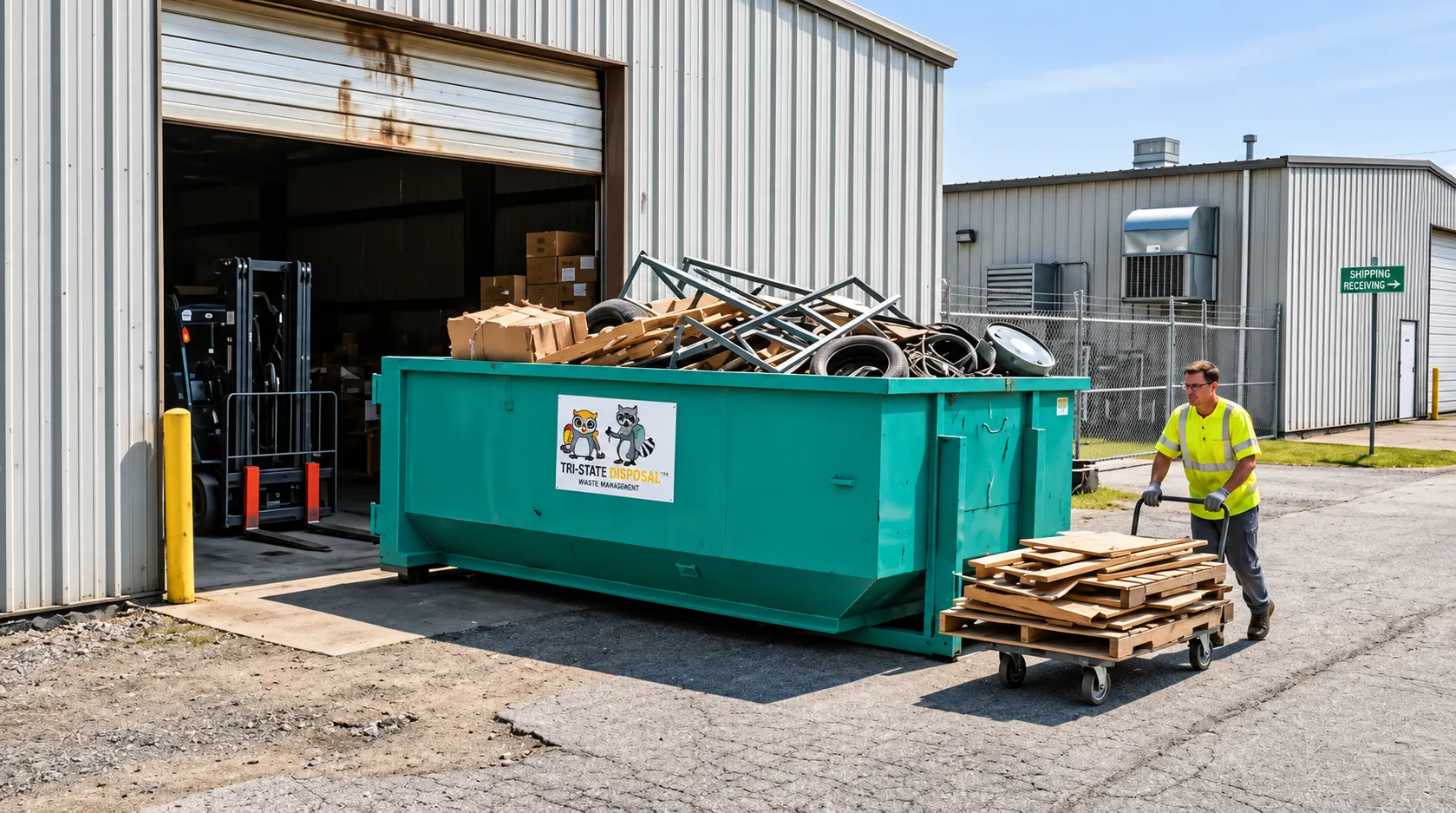
If your dumpsters regularly reach capacity days before the next scheduled waste collection, your current container capacity or pickup frequency may be insufficient for your facility’s immediate waste generation. The first step is to determine whether the problem is an undersized container, an insufficient collection frequency, or a combination of both.
For example, an increase in production may generate more cardboard, plastic packaging, scrap materials, and general waste than your original collection arrangement anticipated. If your waste management pickup schedule hasn’t been reassessed to account for these changes, containers may fill up faster than your hauler collects them.
Occasional overflow during an unusually busy period doesn’t necessarily indicate a scheduling problem. However, repeated occurrences suggest that your collection frequency, dumpster capacity, or both need attention.
Why it matters
- Increased safety and housekeeping concerns: Overflowing dumpsters can create clutter around loading areas, obstruct access routes, and make it harder to maintain a clean, safe facility.
- More frequent additional pickups: When containers fill up before the next scheduled collection, you may need to request extra pickups, potentially increasing your waste management cost.
- Potentially inadequate container capacity: The issue may not be the collection frequency alone. If your business consistently generates more waste than the container can hold, a larger dumpster may be a more appropriate solution.
- Disruption to daily operations: Accumulating waste can interfere with material handling, facility access, and routine housekeeping, particularly in busy manufacturing environments.
- A mismatch between service and actual requirements: Reviewing your waste management pickup schedule alongside container capacity can help determine whether you need more frequent collections, larger containers, or a combination of both.
Pro Tip: Track dumpster fill levels before every scheduled collection rather than relying on occasional observations.
Ask facility managers to record how full each container is immediately before pickup and document any overflow incidents. Compare these observations against production volumes and collection records over several service cycles.
If containers consistently reach capacity early, evaluate whether increasing pickup frequency, upgrading dumpster capacity, or adjusting both would be more appropriate. Before approving a change, compare the revised service proposal with your existing contract and pricing.
A properly reviewed waste management pickup schedule should accommodate actual waste generation while keeping unnecessary service expenses under control.
2. Hauler Frequently Collects Dumpsters That Are Only Partially Full
How often should a business schedule waste collection?
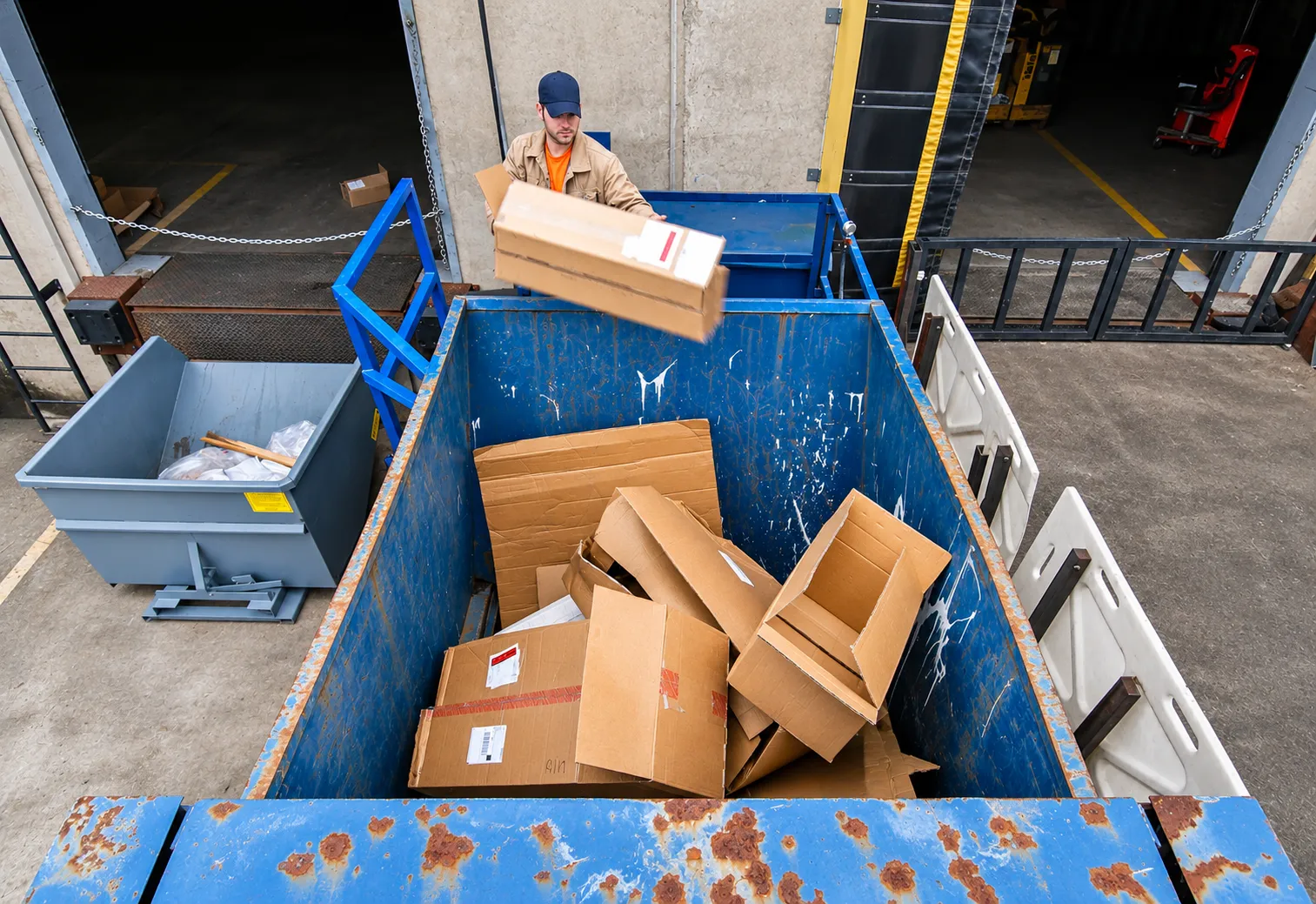
There is no universal pickup frequency for every business. A suitable waste management pickup schedule depends on waste volume, material type, storage capacity, operating hours, and site requirements. Review actual fill levels and collection history before setting or changing service frequency.
What it is
If your hauler regularly empties dumpsters that still have substantial unused capacity, your business may be paying for more frequent collections than its waste generation requires.
This can happen when a facility’s waste volumes decline, but its original collection arrangements remain unchanged. For example, a manufacturer that reduces production shifts, streamlines packaging, or changes its material handling processes may generate considerably less waste than it did when the service agreement was established.
The same issue can arise when businesses initially arrange frequent collections to accommodate anticipated volumes that never materialize.
If your waste management pickup schedule doesn’t reflect these changes, you could continue paying for collections that provide little additional operational value.
However, a partially filled dumpster doesn’t automatically mean a pickup is unnecessary. Certain waste materials may require regular removal because of sanitation, odor, safety, storage, or other applicable requirements.
Why it matters
- Payment for unused capacity: If containers consistently have substantial space remaining at collection time, you may be paying for pickups that your current waste volume does not require.
- Unnecessary recurring expenses: Even relatively small charges for underutilized collections can add up over time, increasing your overall waste management cost.
- Missed opportunities to adjust service: A recurring pattern of partially filled dumpsters may indicate that your collection frequency or container size needs to be reassessed.
- Limited visibility into service utilization: Without tracking how full containers are before collection, it can be difficult to determine whether your contracted services reflect actual waste generation.
- Potential for a more suitable arrangement: Reviewing collection records and discussing alternatives with your hauler may help you identify a more appropriate waste management pickup schedule without compromising sanitation, safety, or operational requirements.
Pro Tip: Compare dumpster fill levels with the collection frequency specified in your service agreement.
Ask facility managers to document container utilization immediately before pickups over several service cycles. Identify locations where substantial capacity remains unused consistently, rather than relying on a single observation.
Then discuss whether a lower collection frequency, different container size, or revised service arrangement would be appropriate. Request an itemized comparison of the existing and proposed waste management cost, including any additional service charges or contractual conditions.
The objective isn’t to eliminate pickups indiscriminately. It’s to ensure your waste management pickup schedule reflects actual waste generation without compromising operational or regulatory requirements.
3. Production or Operating Changes Have Altered Waste Generation
What factors should I consider when setting a commercial waste collection schedule?
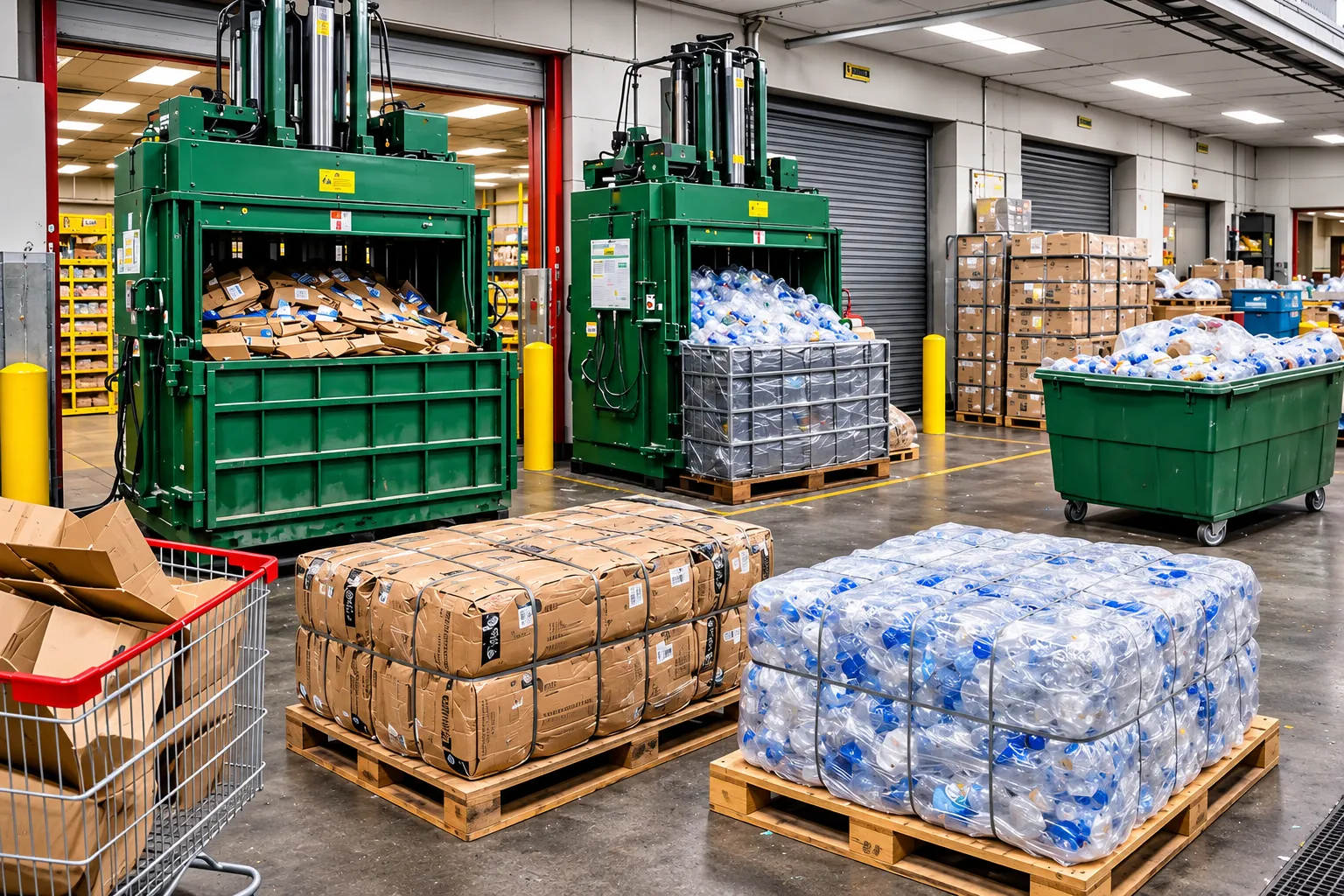
A waste management pickup schedule should account for how quickly each waste stream accumulates, whether materials create odor or sanitation concerns, available storage space, collection access, and operating patterns. Local requirements and contract conditions may also affect practical scheduling.
What it is
Business operations rarely remain static. Manufacturing output changes, facilities expand, production processes evolve, and distribution requirements fluctuate. Each of these developments can alter the volume and type of waste a business generates, making its existing collection arrangements less suitable.
For example, a manufacturer introducing an additional production line may generate more packaging waste, scrap materials and general refuse. Conversely, process improvements, automation or changes in packaging materials may reduce the volume requiring disposal. These changes can make a previously suitable waste management pickup schedule inadequate or unnecessarily frequent.
Despite these changes, businesses sometimes retain the same collection arrangements established under previous operating conditions.
This creates a mismatch between current waste generation and the original service requirements. Your waste management pickup schedule should account for changes in production activity, facility utilization, and waste volumes rather than relying on historical assumptions.
Why it matters
- Higher risk of overflowing containers: If production or waste generation has increased, an unchanged collection schedule may no longer provide sufficient capacity, resulting in overflow or additional pickups.
- Continued payment for unnecessary services: Conversely, if your waste volume has declined, you may be paying for collection frequency or container capacity that your facility no longer needs.
- Growing differences between facilities: Businesses operating across multiple locations may have different waste generation patterns, making a uniform collection arrangement unsuitable for every site.
- Increased difficulty controlling expenses: When service arrangements do not reflect operational changes, avoidable charges can accumulate and affect your overall waste management cost.
- A need to reassess service requirements: Reviewing your waste management pickup schedule after changes to production, facility size, or processes can help align collection frequency and container capacity with current demand while keeping your overall cost appropriate to actual service requirements.
For example, a manufacturer that adds a second shift may fill containers faster between scheduled collections. A facility that moves to a shorter production week may experience the opposite. In both cases, collection frequency should be assessed against actual fill patterns rather than the historic waste management pickup schedule.
Pro Tip: Use significant operational changes as a trigger to reassess your waste collection arrangements.
After production expansions, facility consolidations, changes in operating hours, or process improvements, compare current waste volumes with historical collection records.
Identify which locations are generating more or less waste and whether their existing service arrangements still provide sufficient capacity and collection frequency. If your business operates multiple facilities, compare container utilization and collection requirements site by site rather than assuming every location needs the same service level.
Before requesting revised waste management costs, establish the actual requirements at each facility. This will help you determine whether increasing collections, reducing frequency, or changing container capacity is the most appropriate operational and financial decision.
A regularly reviewed waste management pickup schedule helps prevent outdated service arrangements from continuing unnoticed.
4. Additional Pickups Outside Your Waste Management Pickup Schedule
What it is
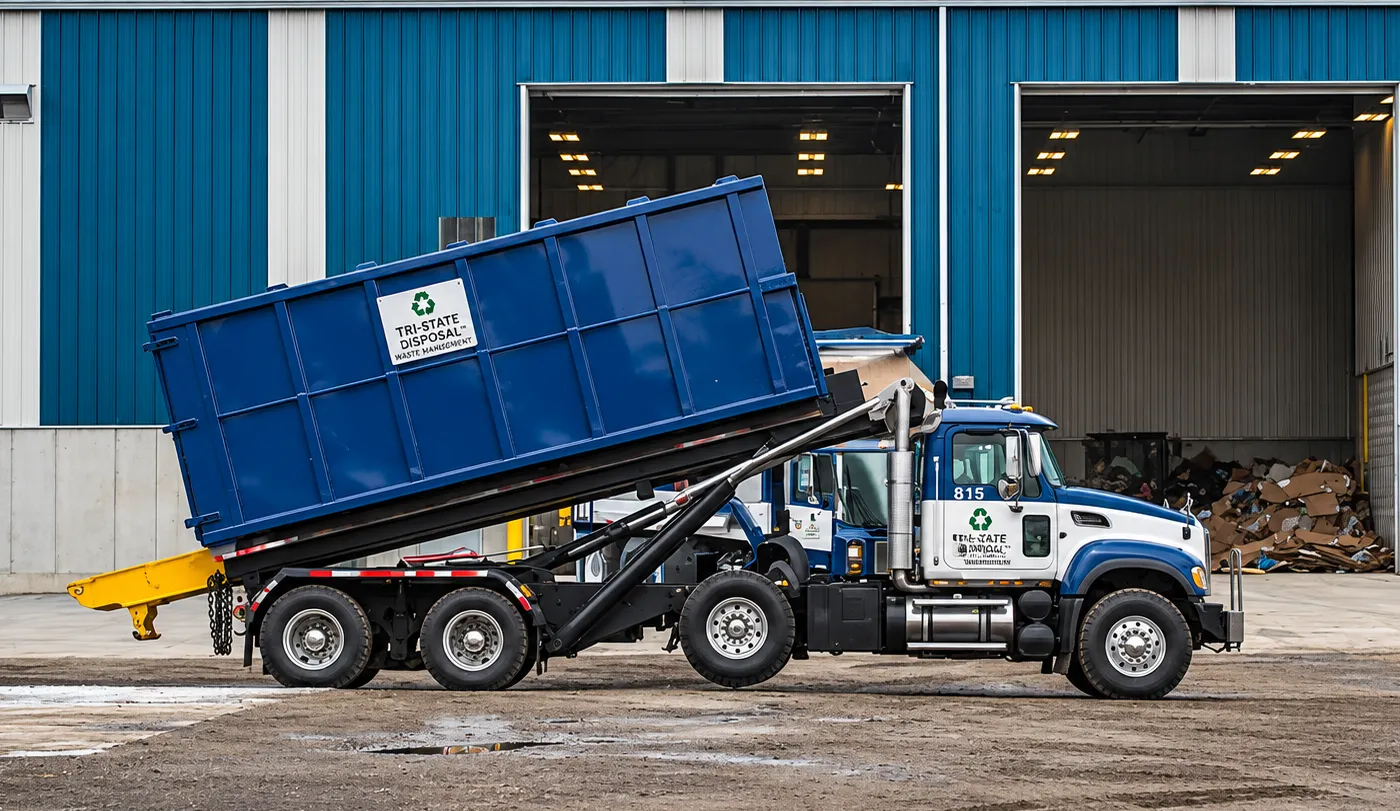
Occasional additional waste collections are sometimes unavoidable. Unexpected production demands, temporary projects, large deliveries, or unusual waste accumulation can create requirements that fall outside a facility’s regular collection arrangements.
However, if your business repeatedly requests pickups between contracted collection dates, it’s worth examining whether the existing service frequency adequately accommodates actual waste generation.
For example, a manufacturing facility might arrange three weekly collections but regularly need a fourth because dumpsters reach capacity before the next scheduled visit. Alternatively, a distribution center may experience recurring increases in packaging waste during periods of higher shipment activity.
When these requests become routine, your waste management pickup schedule may no longer reflect your facility’s operating requirements.
Why it matters
- Higher costs beyond contracted rates: Additional collections can result in charges that sit outside your regular service fees, increasing your total waste management cost.
- Recurring expenses hidden in invoices: When extra pickups become routine, their charges may be overlooked because they appear as separate line items rather than part of the base service.
- Unpredictable monthly spending: Frequent on-demand collections make it harder for finance teams to forecast costs accurately.
- An indication of an unsuitable service arrangement: Repeated requests for additional pickups may suggest that your existing collection frequency or container capacity no longer accommodates actual waste generation.
- An opportunity to compare service options: Tracking extra collections and their associated charges can help you determine whether revising your waste management pickup schedule would be more cost-effective than continuing to pay for individual pickups.
Pro Tip: Identify recurring additional pickups and compare their cumulative charges against the waste management cost of revising your contracted service.
Maintain a record of each unscheduled collection, including its date, reason, location, and associated charge. Compare these records with production schedules, delivery volumes, and historical waste generation.
If additional pickups follow a predictable pattern, request pricing for an adjusted recurring service arrangement. Compare the total waste management cost of your existing contract, including additional collections, against the proposed terms.
Also, distinguish genuinely exceptional requests from recurring operational needs. This helps you determine whether your waste management pickup schedule needs a permanent adjustment, a temporary seasonal provision, or a different service configuration.
5. Seasonal Fluctuations, but Fixed Waste Management Pickup Schedule
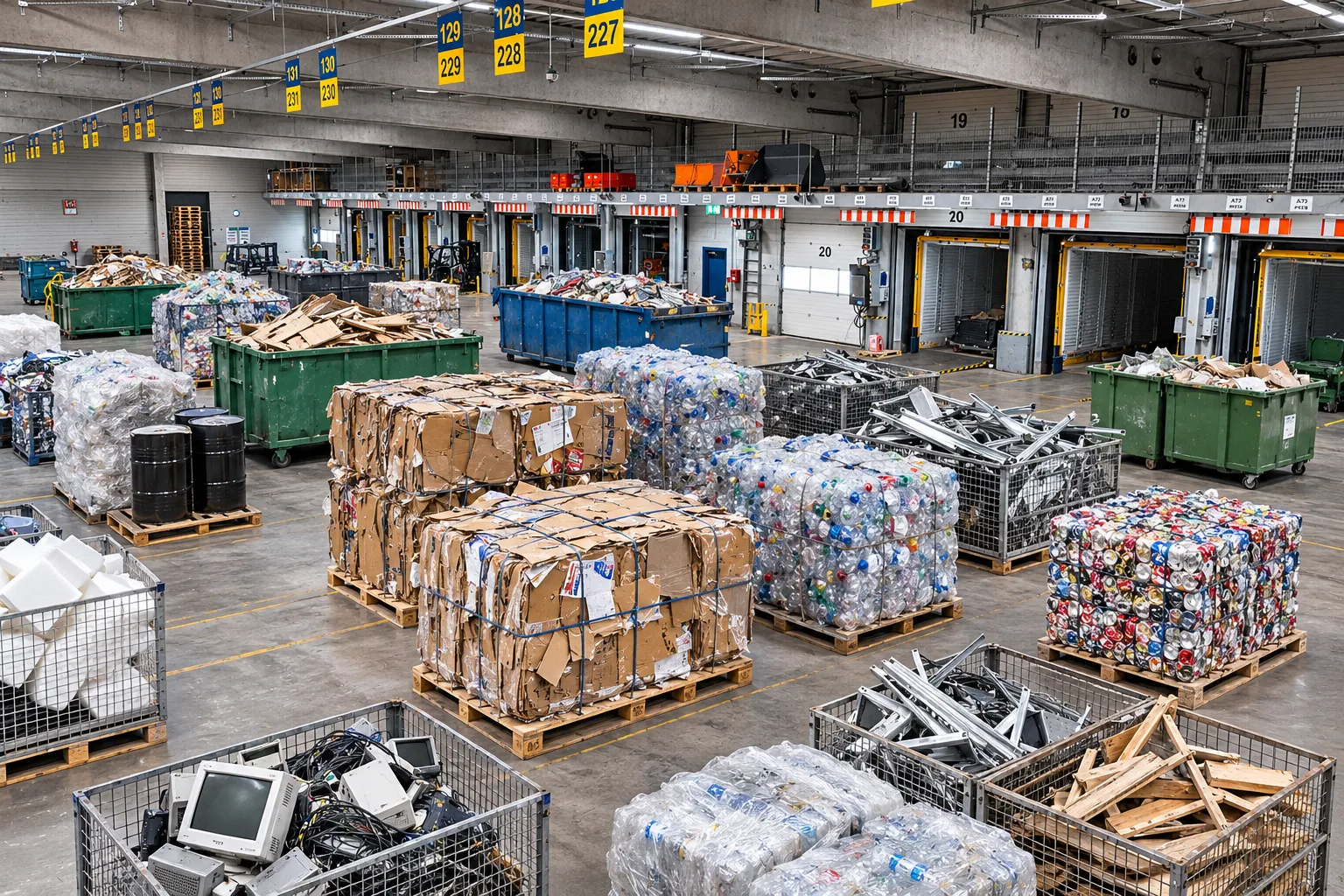
What it is
Some businesses generate relatively consistent waste volumes throughout the year. Others experience substantial fluctuations depending on production cycles, customer demand, inventory movements, and seasonal operating requirements.
For example, a manufacturer may increase production ahead of a busy sales period, generating more packaging materials, scrap, and general waste. A wholesaler or distributor may experience similar fluctuations when preparing inventory for seasonal demand.
The challenge arises when collection arrangements remain unchanged despite these predictable variations.
A fixed waste management pickup schedule may provide insufficient capacity during peak periods while resulting in unnecessary collections when business activity slows. Neither situation necessarily requires a permanent increase or reduction in collection frequency. The more appropriate solution may be a flexible arrangement that accommodates changing requirements.
Why it matters
- Insufficient collections during peak periods: Higher production volumes or seasonal demand can cause containers to fill faster, increasing the likelihood of overflow and additional pickup charges.
- Unnecessary services during slower periods: When waste generation declines, a fixed collection schedule may result in pickups taking place before containers are adequately filled.
- Limited flexibility in service arrangements: A year-round schedule may not account for predictable changes in production, inventory movement, or customer demand.
- Difficulty managing fluctuating pricing: Changes in collection requirements can make it harder to forecast your waste management cost, particularly when additional pickups are frequently needed during busy periods.
- Potential for seasonal service adjustments: Reviewing historical waste volumes and collection records can help you negotiate a waste management pickup schedule that accommodates peak and off-peak requirements.
Pro Tip: Use historical waste generation and collection records to plan for seasonal changes.
Review at least 12 months of available invoices, collection records, and container utilization data. Compare these records against production volumes and identify recurring peak and off-peak periods.
Discuss whether your hauler offers seasonal service adjustments, temporary additional pickups, or alternative collection frequencies. Where possible, negotiate these provisions into the agreement rather than arranging every change as an unexpected additional service.
Also, examine the waste management cost and contractual conditions associated with these adjustments. Your waste management pickup schedule should accommodate predictable demand fluctuations without locking your business into unnecessary year-round service capacity.
Can commercial waste collection schedules change seasonally?
Yes. Businesses with predictable production or demand cycles can discuss temporary frequency changes, additional peak-period collections, or agreed seasonal service levels with their hauler. Reviewing at least a year’s collection and production records helps distinguish recurring seasonal needs from one-off spikes.
6. Waste Management Costs Don’t Reflect the Actual Service Requirements

What it is
Even when your collection frequency appears appropriate, the waste management costs associated with your waste services may no longer reflect what your business actually needs or receives.
For example, your agreement may still include container sizes or collection frequencies established under previous operating conditions. You may also see recurring charges for fuel, environmental services, automatic price escalators, or other contractual fees.
These charges aren’t necessarily incorrect or avoidable. The concern is whether the services and pricing remain appropriate for your current requirements and whether every invoiced charge is supported by the agreement.
Reviewing your waste management pickup schedule alongside your invoices and contract terms can help identify discrepancies between contracted services, actual collections, and associated waste management costs.
Why it matters
- Unnecessary service-related expenses: You may be paying for container sizes, collection frequencies, or additional services that no longer reflect your facility’s actual requirements.
- Limited visibility into additional costs: Fuel surcharges, environmental fees, contractual escalators, and other invoice items can make it difficult to understand what is driving your total waste management cost.
- Potential billing discrepancies: Charges that do not align with your contract or actual service records may warrant further investigation to identify billing errors or unexplained increases.
- Missed opportunities for better pricing: Without comparing your current waste management costs against comparable local market arrangements, you may have limited insight into whether your existing contract remains competitive.
- A need for a comprehensive service review: Evaluating invoices, contract terms, collection records, and your waste management pickup schedule together can help identify opportunities to right-size services and negotiate more suitable commercial terms.
Pro Tip: Review your invoices, service agreements, and local market rates together rather than examining individual waste management costs in isolation.
First, reconcile invoiced collections with service records and the pickup frequency specified in your contract. Check whether billed services were actually provided and whether the rates and additional charges match the agreed terms. Flag duplicate charges, unexplained fees, automatic price increases, and services that no longer reflect your facility’s requirements.
Next, compare your existing pricing with relevant local market benchmarks. Account for differences in dumpster capacity, collection frequency, waste type, service scope, and contractual terms before deciding whether a waste management cost is high.
Separate confirmed billing discrepancies from charges that require clarification or negotiation with your hauler. Then compare the full cost of your existing arrangement with any proposed changes. This review of your waste management pickup schedule and associated charges can help you identify unnecessary services, investigate potential billing errors, and negotiate more suitable terms.
What factors affect the cost of commercial waste collection?
Commercial waste collection costs can reflect container size, pickup frequency, waste type, disposal or weight charges, location, surcharges, and contract terms. Compare the full invoice and service scope, not just the per-pickup rate, against actual collections and comparable local quotes.

What Should You Review Before Changing Your Waste Management Pickup Schedule?
Before changing your waste pickup arrangements, compare the following:
- Collection records: Review pickup dates, additional collections, and dumpster fill levels to understand actual utilization.
- Operational requirements: Compare waste volumes, container capacity, and pickup frequency, accounting for production patterns, storage, sanitation, and safety needs.
- Contract and invoice accuracy: Check whether billed services match the agreed terms and actual collections. Investigate duplicate charges, unexplained fees and price increases.
- Local pricing: Compare your waste management cost with local market rates for comparable waste types, container sizes, and service levels.
- Potential service adjustments: Discuss changes to collection frequency, container capacity, seasonal provisions, or contract terms with your hauler.
These waste management pickup schedule checks help determine whether the issue involves container capacity, pickup frequency, billing accuracy, or a combination of factors. Confirm proposed changes with site operations and applicable waste-handling requirements before implementation.
Keep Your Waste Management Cost Under Control
Identifying a mismatch in your waste management pickup schedule is only the first step. Businesses also need to determine whether their contracts, invoices, service levels, and pricing reflect actual facility requirements. When outdated service arrangements, billing errors, and unnecessary charges go unchecked, their impact can accumulate across billing cycles and locations, making it harder for Finance and Operations teams to control the overall waste management cost.
The SALT Group is a performance-based operating expense reduction consulting firm. Its waste management specialists compare service agreements and invoices with actual collection requirements, use localized market benchmarks to assess pricing, and work directly with vendors to negotiate appropriate service and contract changes. This process helps determine whether your existing waste management pickup schedule, container capacity, and associated rates remain suitable for your facility’s needs.
The team manages vendor discussions and the implementation process with minimal internal workload for your Accounting, Finance, and Procurement teams. Where applicable, it also pursues recoveries or credits for identified discrepancies. Its performance-based engagement focuses on identified and implemented improvements to service arrangements and operating expenses.
The engagement is performance-based, with fees tied to identified and implemented benefits. Billing may occur when agreed service or contract changes are completed, rather than after all future savings have appeared in subsequent invoices.
Whether you’re dealing with overflowing dumpsters, unnecessary pickups, recurring additional collections, seasonal fluctuations, or unexplained charges, The SALT Group can review the full service arrangement. By evaluating collection requirements, contract terms, invoices, and local market rates together, the team helps identify potential billing discrepancies, pursue applicable recoveries, and negotiate opportunities to reduce ongoing costs without compromising operational requirements.
If your waste management pickup schedule, service charges, or contract terms no longer reflect your facility’s needs, The SALT Group can help assess the arrangement, investigate potential billing errors, and identify opportunities for ongoing savings.
FAQs
1. How do I know if I need to change my waste management pickup schedule?
Look for recurring overflow, consistently underfilled dumpsters, frequent additional pickups, or changes in waste generation. Review container fill levels and collection records across multiple service cycles. Also compare actual collections with the frequency and capacity specified in your agreement. A single unusual collection does not necessarily mean your waste management pickup schedule needs changing.
2. Can I reduce my waste collection frequency without disrupting operations?
Possibly, if your dumpsters consistently have substantial unused capacity and fewer collections won’t affect sanitation, safety, or operations. Before making a change, check whether the waste material requires regular removal, whether sufficient storage capacity is available between pickups, and whether site operations can accommodate a revised schedule. Monitor container utilization after any adjustment before making it permanent.
3. How can I avoid paying for unnecessary waste pickups?
Compare invoices and collection records with your contract to establish whether you’re paying for services you don’t need. Tracking dumpster utilization can reveal consistently underused collections. Then compare the cost of your existing arrangement, including additional pickups and surcharges, with a proposed revised service arrangement. Discuss the findings with your hauler to manage your waste management cost.
4. Do I need to switch waste haulers to reduce my waste management cost?
Not necessarily. Your existing provider may be willing to renegotiate collection frequency, container capacity, service levels, or pricing. Before switching, compare your current waste management costs with relevant local market benchmarks and evaluate service reliability, contract conditions, waste-handling requirements, and the total cost of alternatives. Switching should be based on the overall value and suitability of the service.
Factors to Consider When Adjusting Your Waste Collection Schedule
Once you identify a mismatch in your waste management pickup schedule, choose the adjustment that best fits your operational and financial needs.
Consider these decision points:
- Capacity or frequency? Decide whether you need larger containers, more frequent pickups, or both.
- Permanent or temporary change? Determine whether the mismatch reflects ongoing operational changes or a temporary increase in waste.
- One facility or multiple locations? Identify whether the adjustment applies to one site or several facilities.
- Service adjustment or contract renegotiation? Check whether your hauler can accommodate revised requirements under better terms.
- Operational fit or cost alone? Ensure proposed changes maintain sanitation, safety, and operational capacity while improving value.
Choose an arrangement that reflects actual facility needs, not simply fewer collections. This helps keep your waste management pickup schedule efficient while controlling costs.
Not Sure If Your Waste Collection Services Still Fit Your Needs?
The SALT Group reviews waste management agreements, invoices, and service requirements to identify billing discrepancies, unnecessary charges, and opportunities to improve ongoing costs.